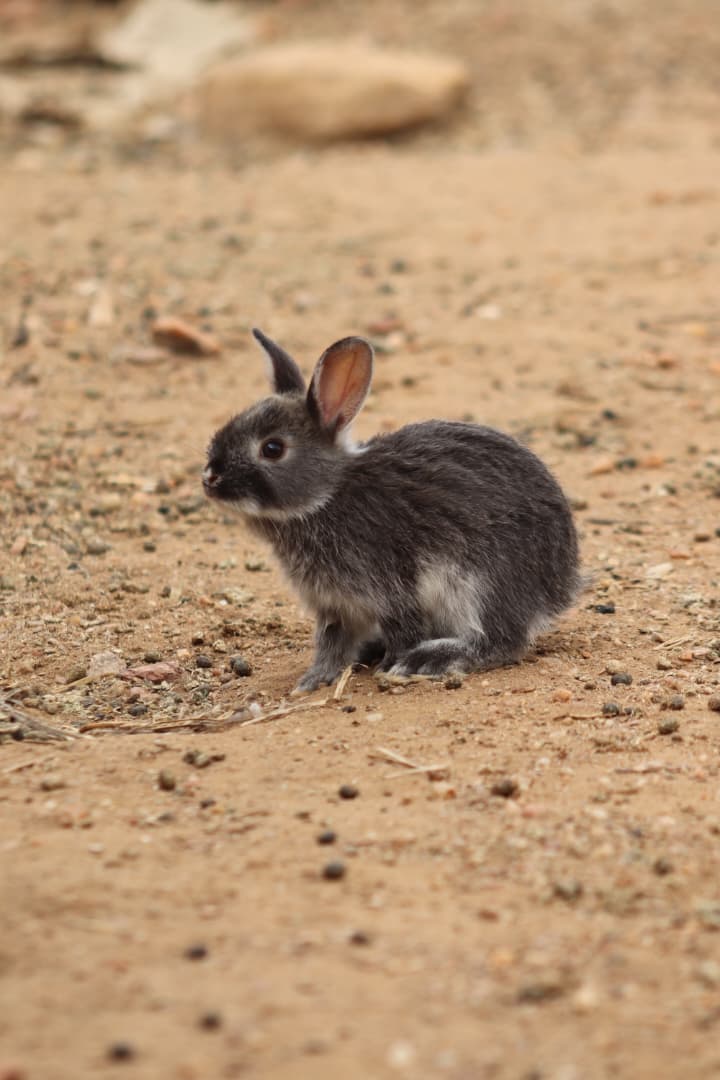
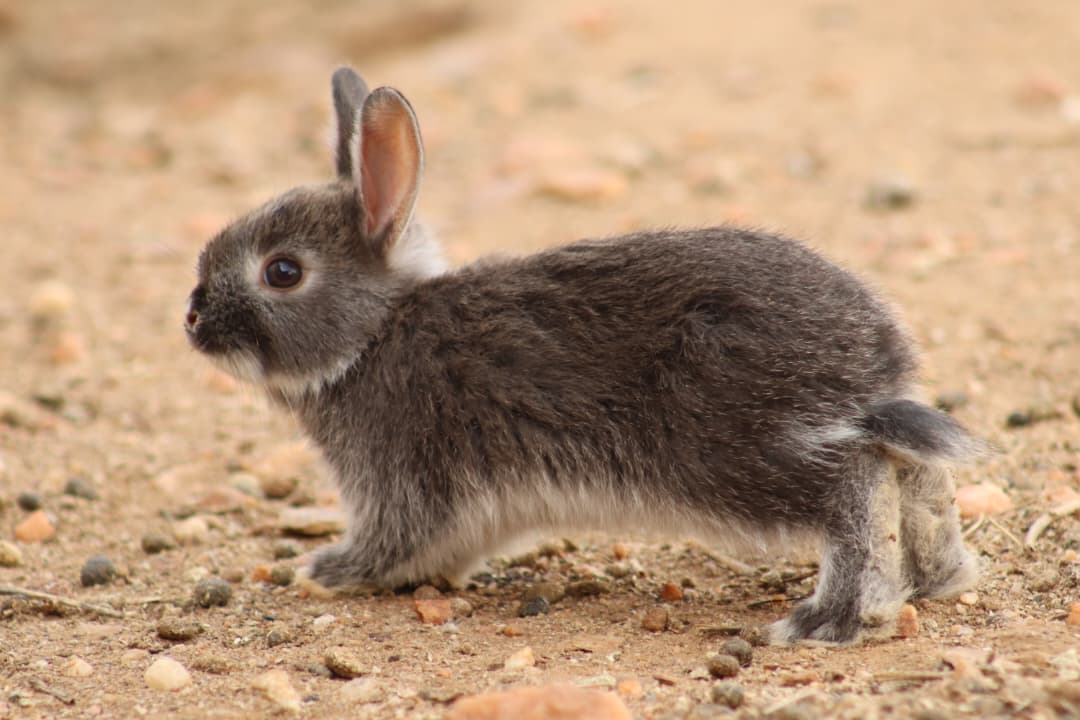
Rabbits in our care

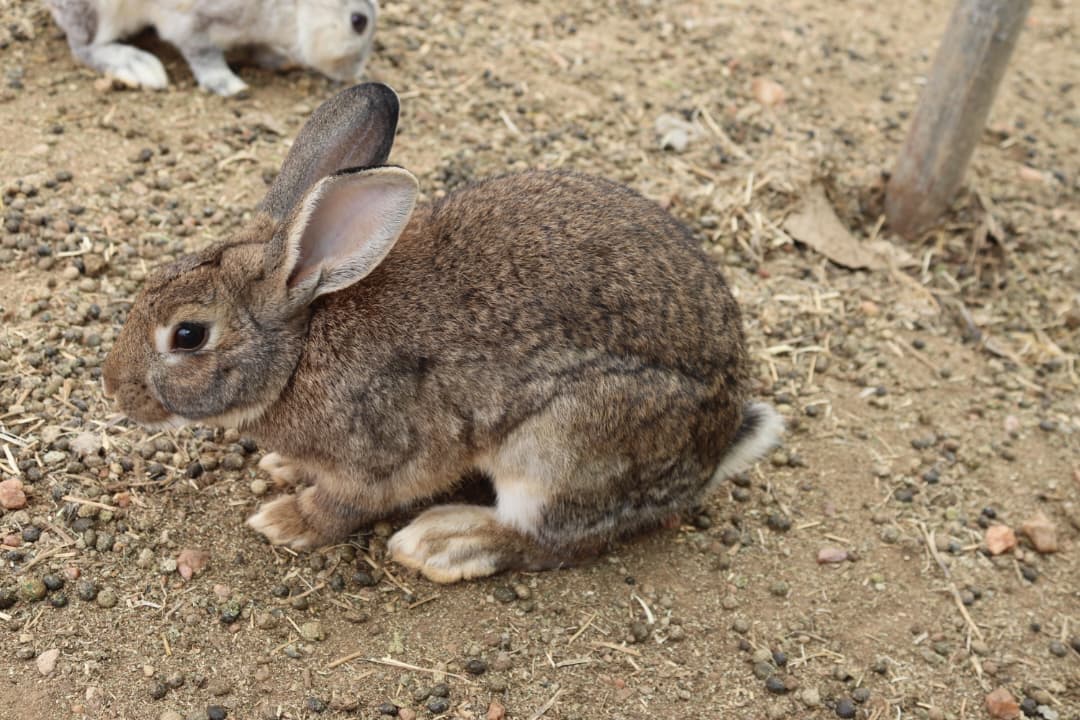
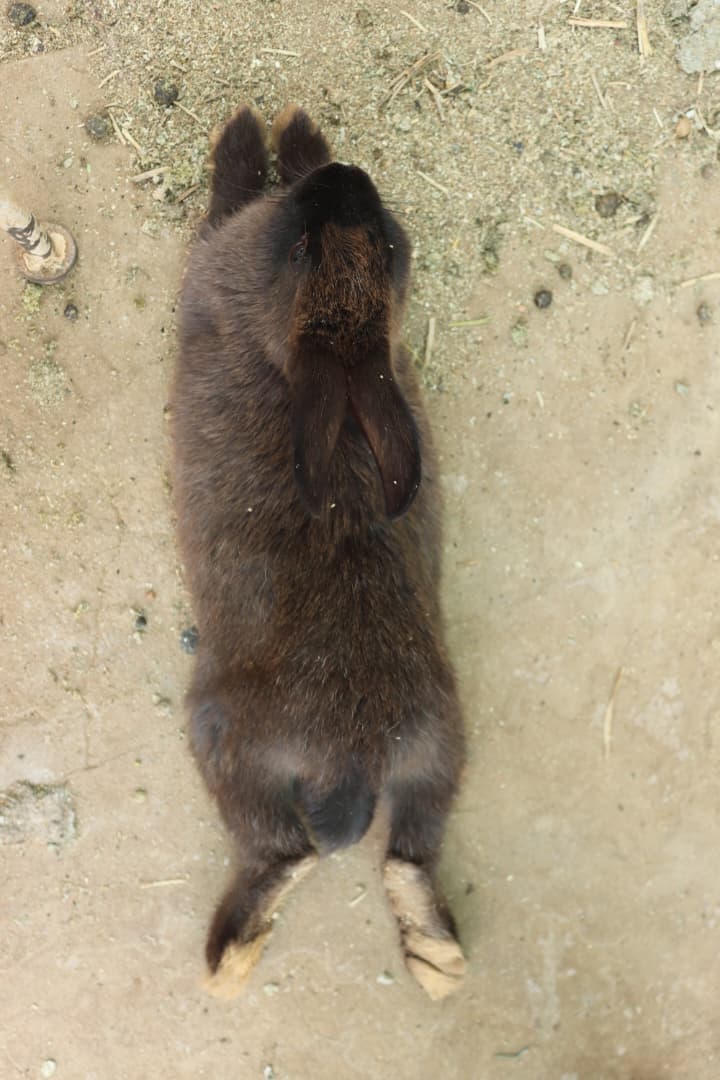
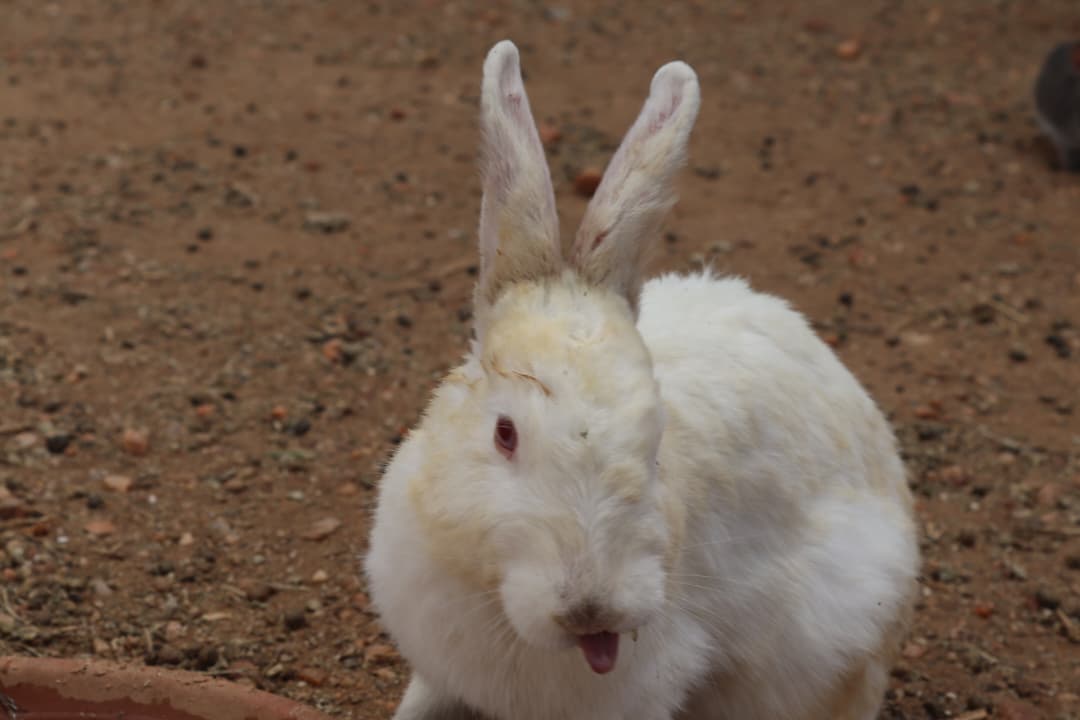
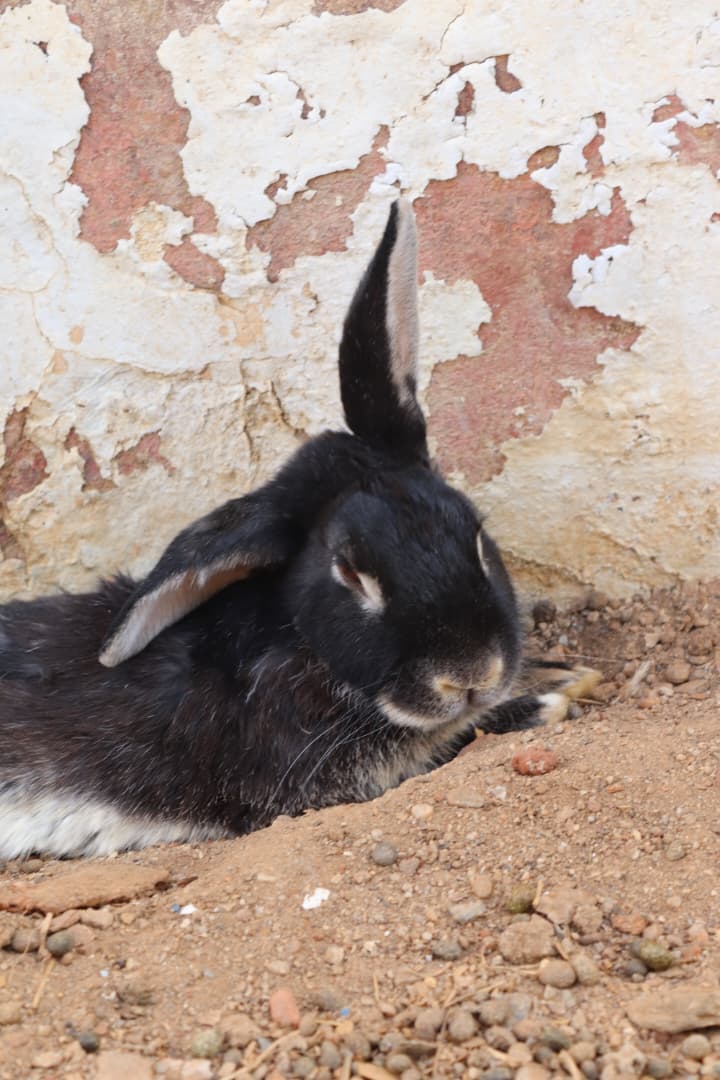
Lop
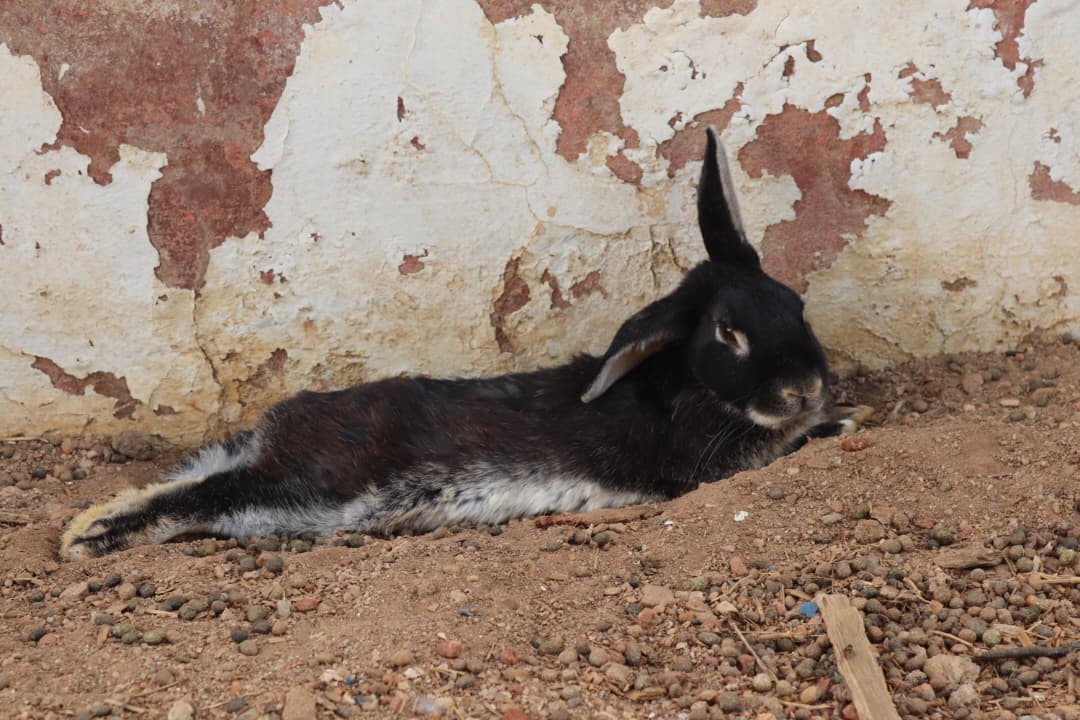
Due to muscle damage in his ear, he is unable to fully use his ears.

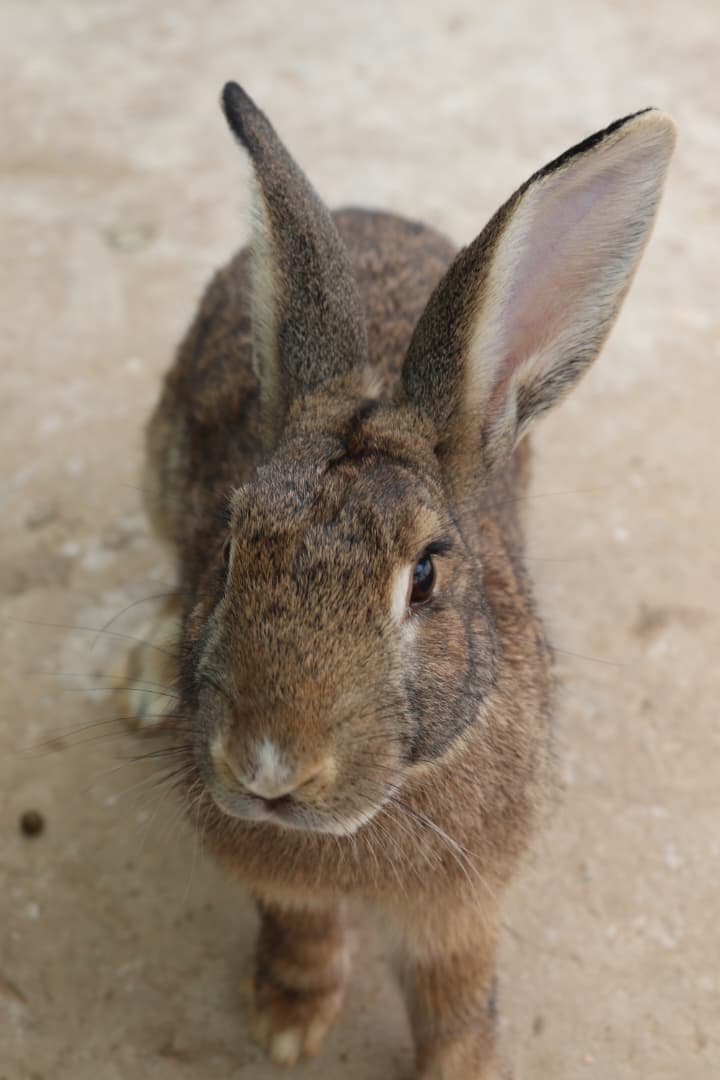
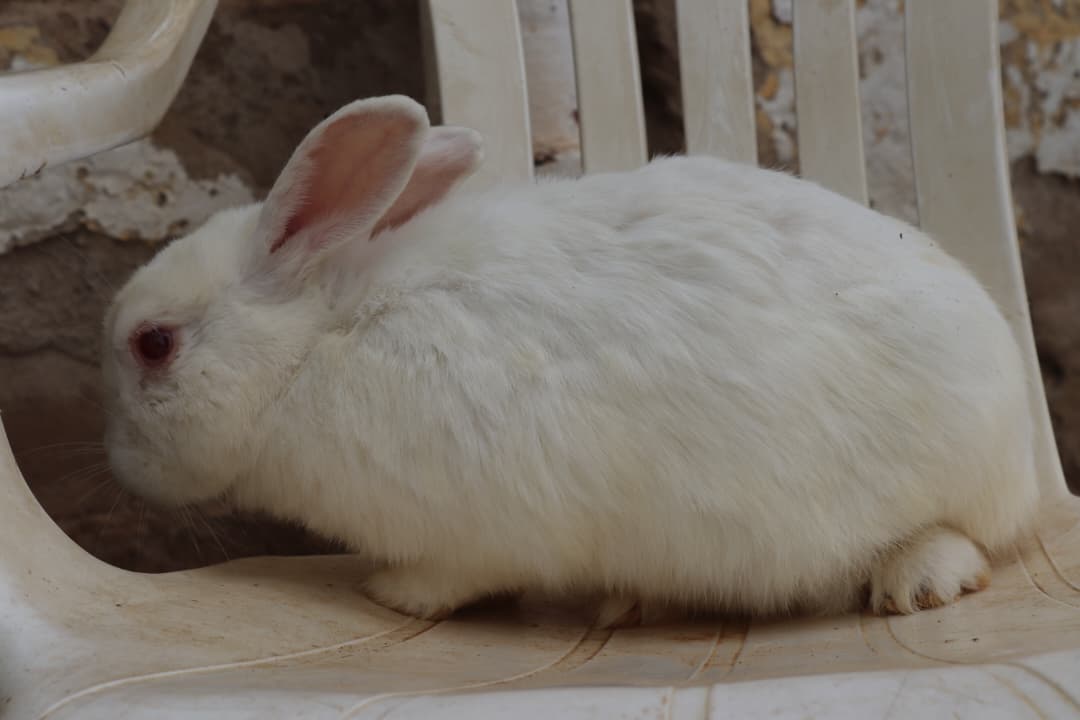
Liefie
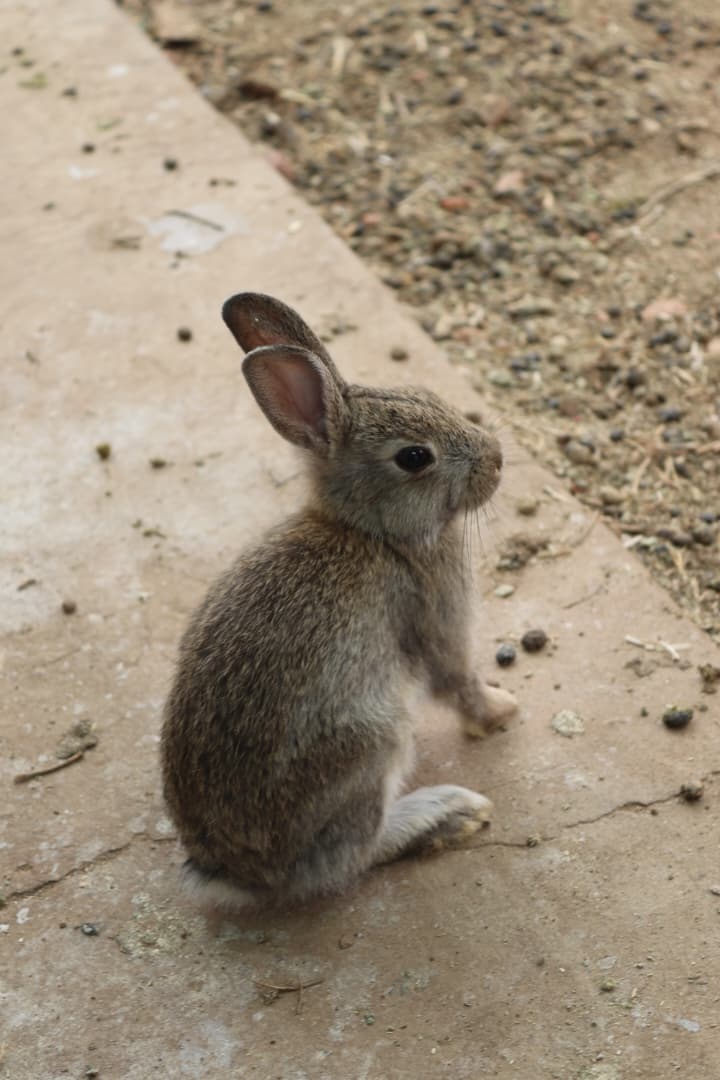
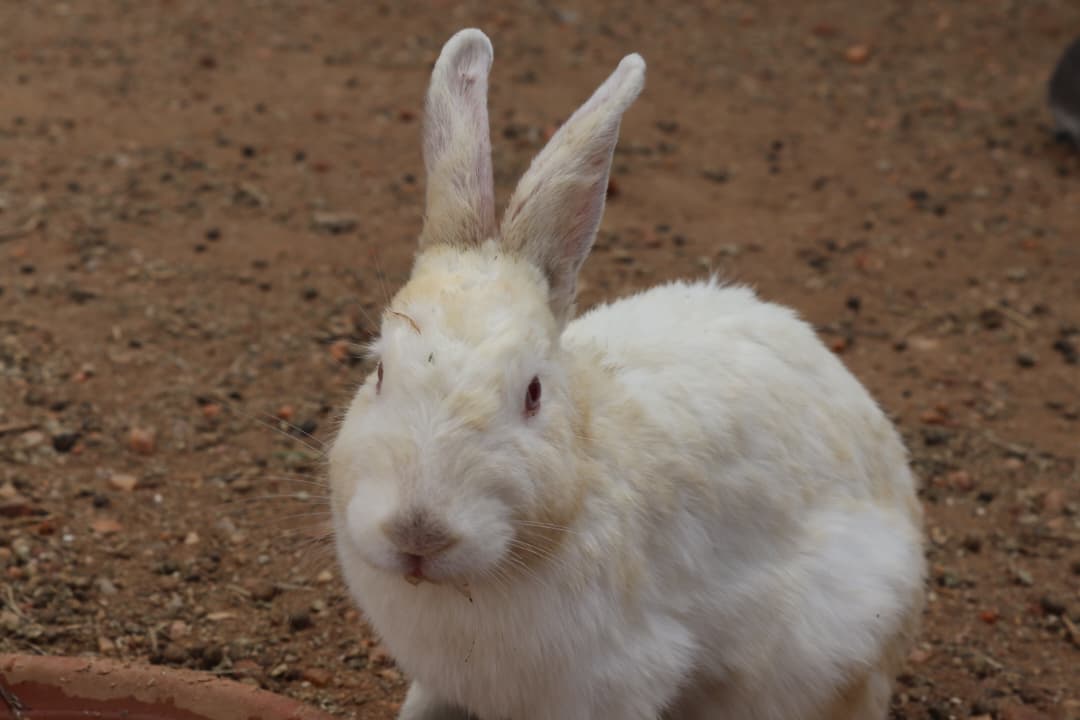
Neighbourhood watch found her in the street. We tried for weeks to find the owner but never did.
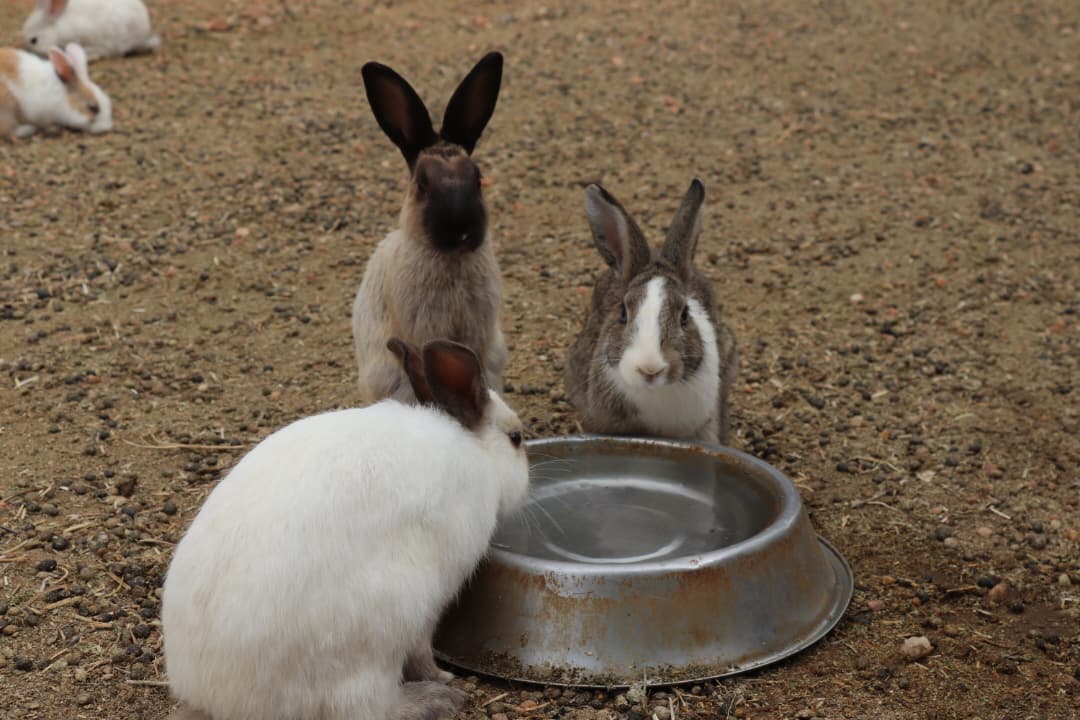
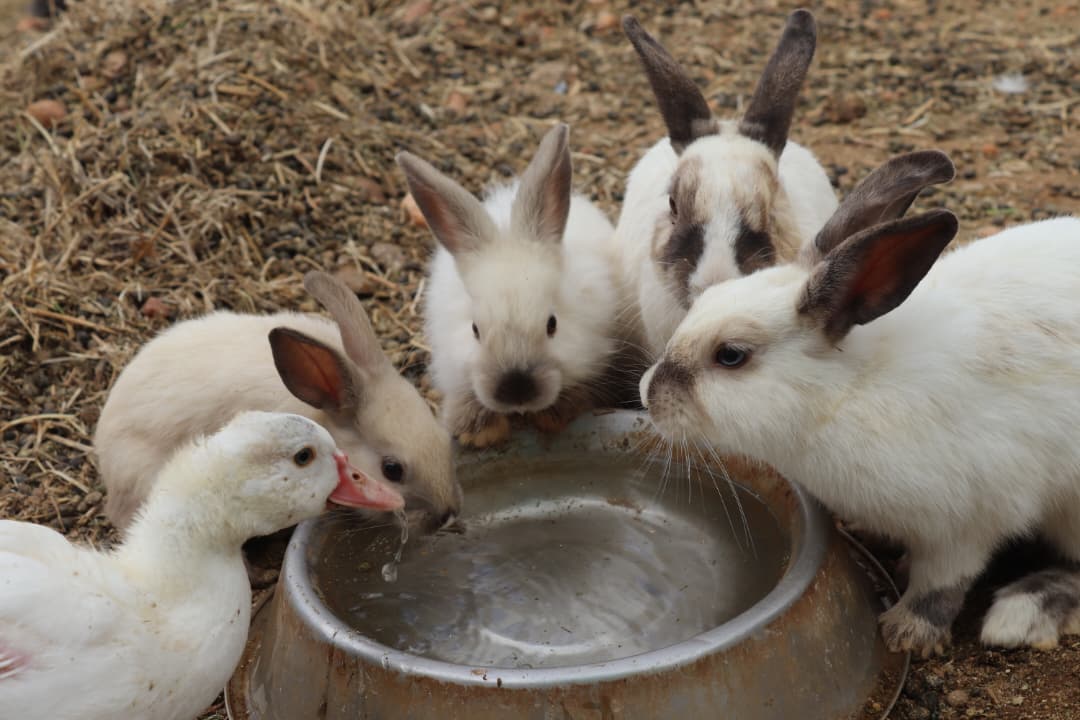
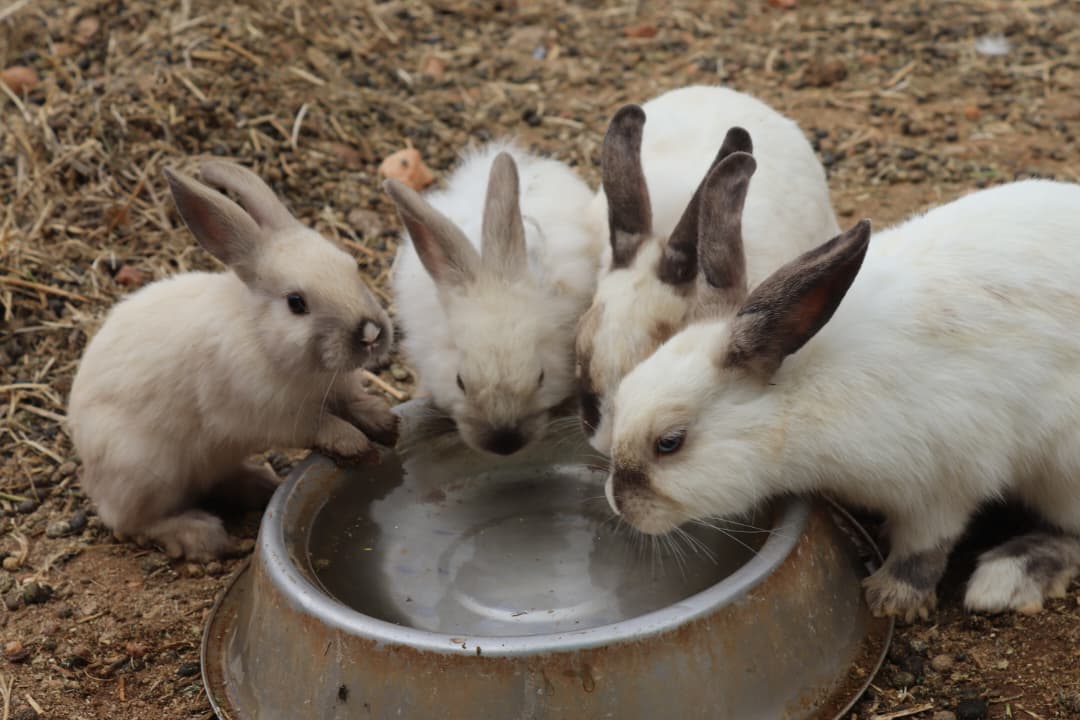
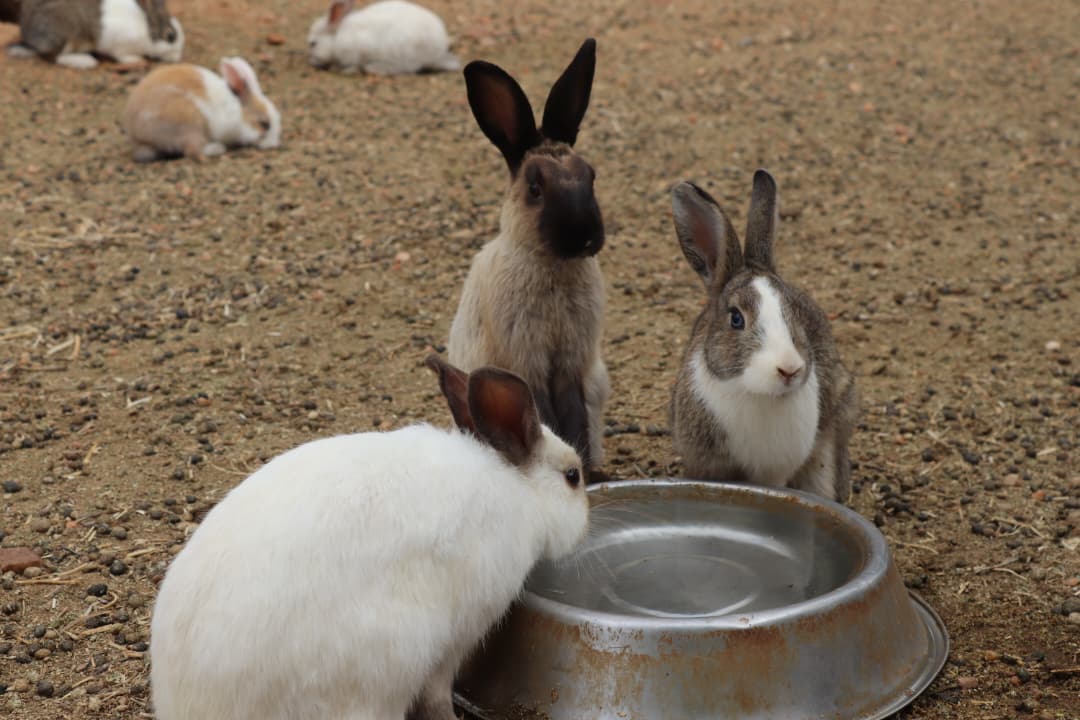
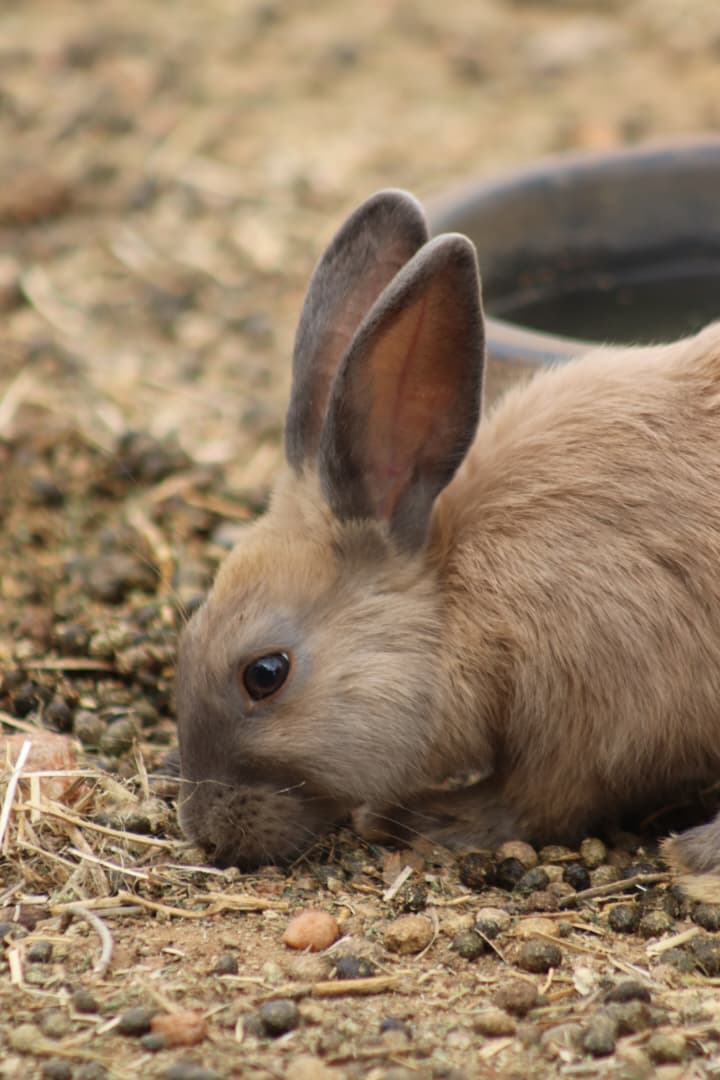
Rabbits need access to food at all times or they can develop peristalsis and die. Many people do not realise how much work is involved in taking care of them. Often we are contacted by owners that want to release them in the bush. Unfortunately, domesticated rabbits do not have the survival skills to make it. For January 2026 so far, we have had 2 calls and collected 3 rabbits from people that did not want them.
Due to muscle damage in his ear, he is unable to fully use his ears.
Neighbourhood watch found her in the street. We tried for weeks to find the owner but never did.
Animal shelters play an important role in supporting domesticated rabbits that have been neglected, abandoned, or improperly handled. Many rabbits arrive fearful of human interaction due to rough handling, lack of socialization, or prolonged isolation. Rehabilitation begins with providing a calm, predictable environment that minimizes noise and stress, as rabbits are highly sensitive prey animals. Shelter staff and trained volunteers use gentle, consistent handling techniques, allowing rabbits to approach humans at their own pace. Daily routines, positive reinforcement with appropriate treats, and enrichment activities such as tunnels, hide boxes, and supervised exercise help rabbits rebuild confidence and associate people with safety rather than threat. Over time, this structured exposure helps rabbits relearn trust, improves their social behaviors, and increases their suitability for adoption into permanent homes.
To maintain the health of domesticated rabbits, shelters must secure specialized resources and professional support. Access to an exotic-animal veterinarian experienced in lagomorph care is essential for routine health assessments, spay and neuter procedures, dental care, and treatment of gastrointestinal or respiratory conditions common in rabbits. Proper nutrition requires a consistent supply of fresh hay, leafy greens, and species-appropriate pellets, as well as clean, dust-free bedding to prevent respiratory issues. Shelters also rely on sanitation supplies, climate-controlled housing, and quarantine space to manage disease prevention. As a nonprofit organization, a shelter typically partners with veterinary clinics, suppliers of rabbit-safe food and materials, and foster networks that can provide temporary, low-stress home environments for rabbits requiring extended recovery or socialization.