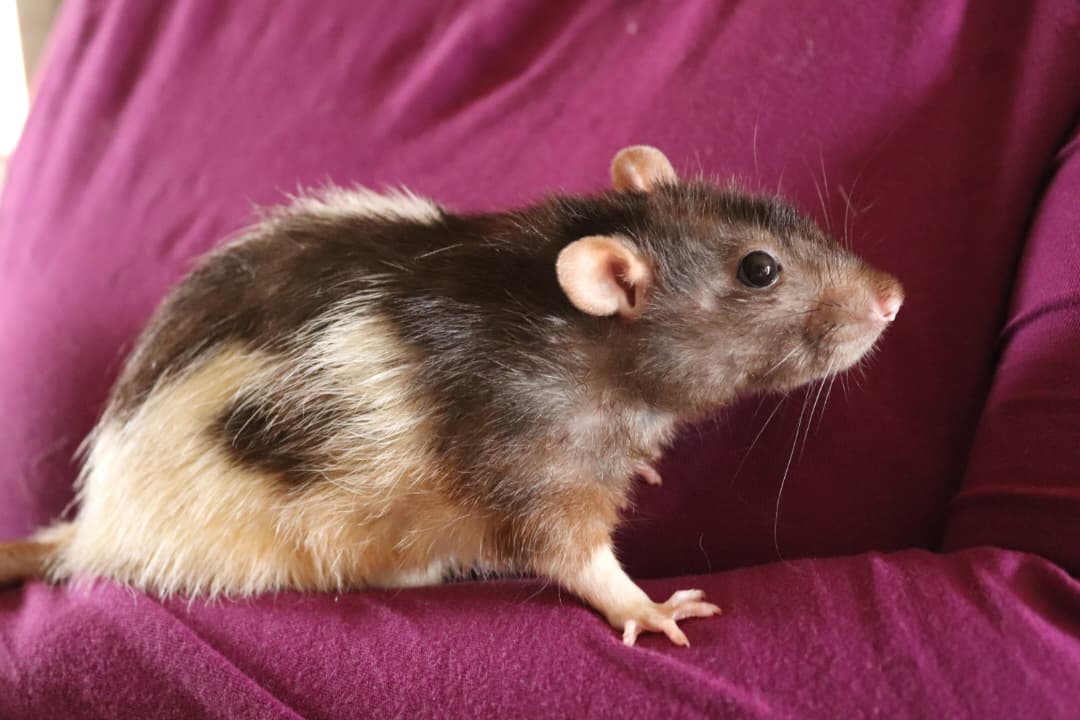
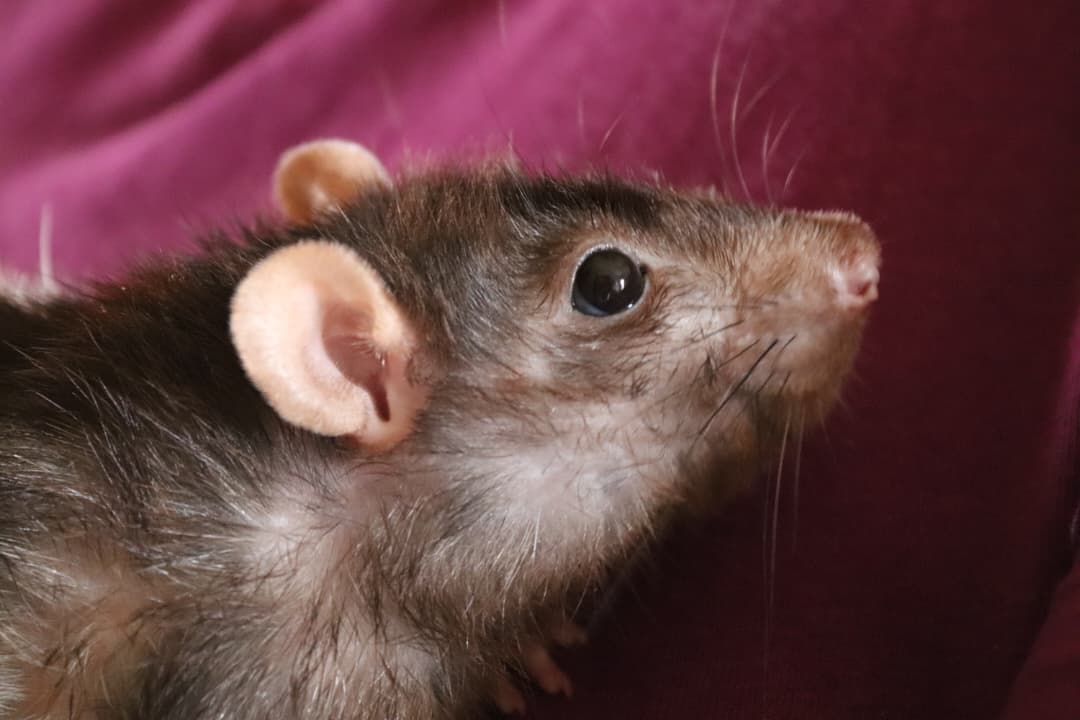
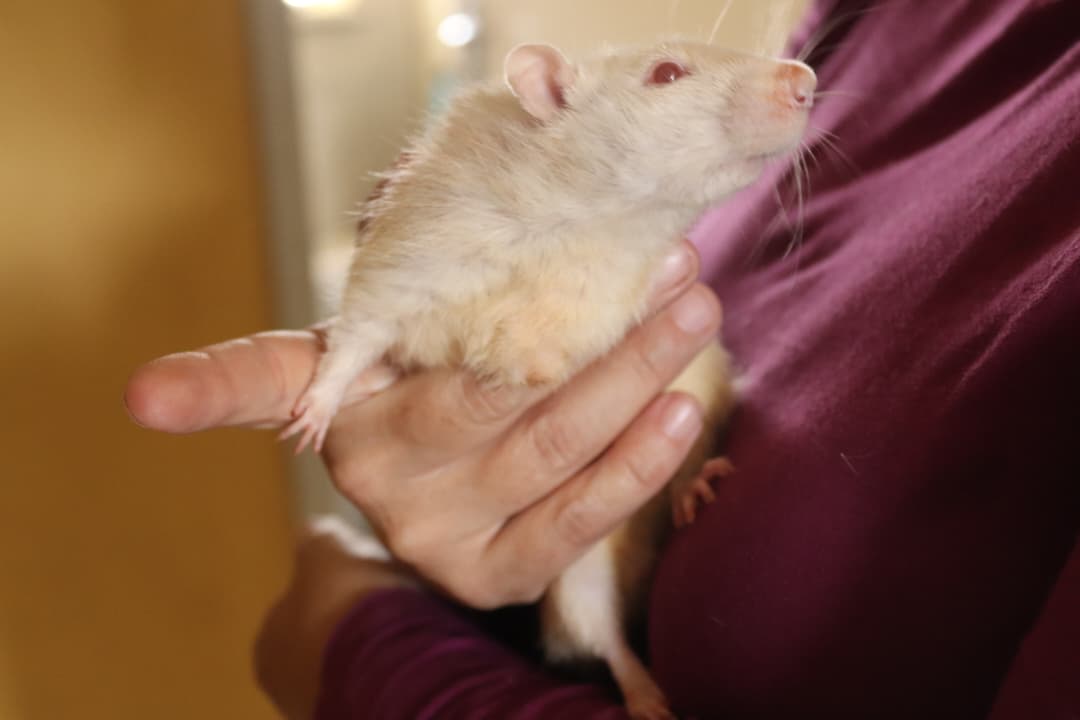
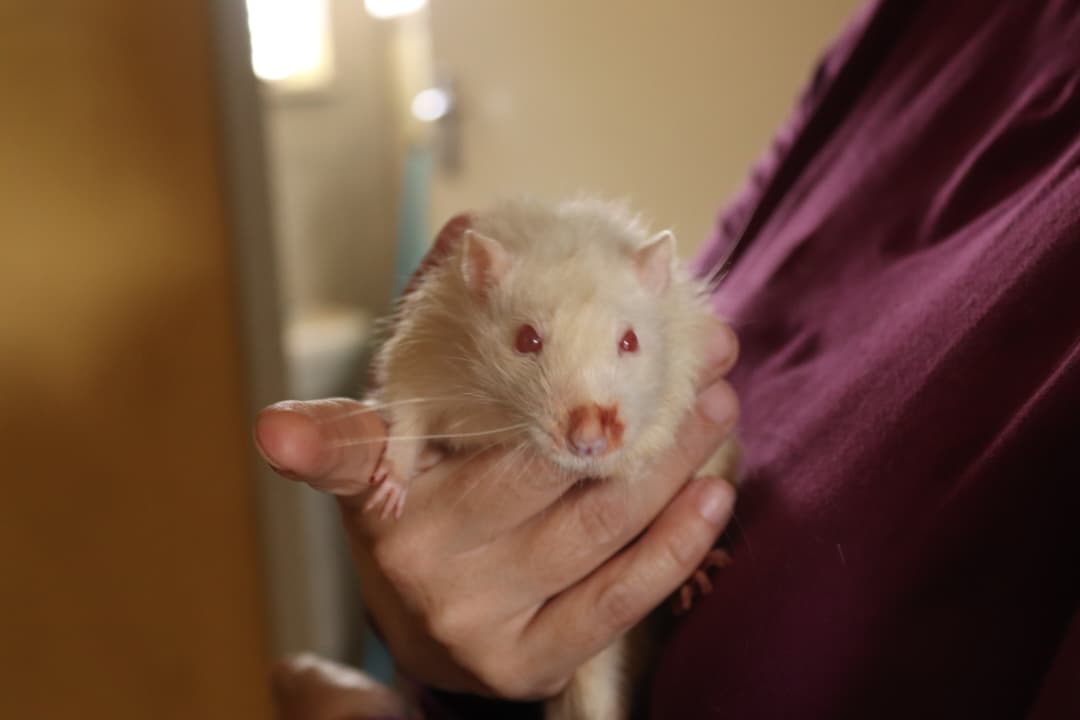
Animal shelters can play a meaningful role in rehabilitating domesticated rats that have experienced neglect, poor handling, or abandonment. Because rats are highly intelligent and social animals, fear of humans often stems from inconsistent interaction or stressful environments rather than inherent aggression. Rehabilitation focuses on providing a stable, enriched setting with regular human presence, allowing rats to observe and engage without pressure.
Shelter staff and volunteers use calm voices, slow movements, and routine hand-feeding to rebuild positive associations with people. Daily interaction, gentle handling sessions, and enrichment activities such as climbing structures, tunnels, and puzzle feeders help stimulate curiosity and reinforce trust. Over time, this consistent, respectful engagement enables rats to become confident, sociable companions and improves their chances of successful adoption.
Maintaining the health of domesticated rats in a shelter setting requires access to appropriate resources and professional care. Shelters must work with veterinarians experienced in small mammal or exotic animal medicine to address common rat health issues, including respiratory infections, tumors, and dental concerns. Proper nutrition involves a balanced diet of quality lab blocks supplemented with fresh fruits and vegetables, along with constant access to clean water.
Clean, well-ventilated enclosures, dust-free bedding, and strict sanitation protocols are critical to preventing illness. As a nonprofit organization, a shelter often partners with veterinary clinics, suppliers of species-appropriate food and enrichment materials, and foster caregivers who can provide individualized attention and monitoring for rats needing extended medical care or social rehabilitation.